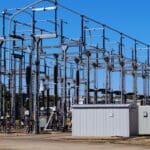


Substation automation systems (SAS) are revolutionizing the way we manage and distribute electricity, promising improved power efficiency and significant cost savings. But what exactly is substation automation? How does it enhance power efficiency? And how can effective upkeep and maintenance ensure the optimal functioning of these systems? Let’s dive in and answer these questions.
Understanding Substation Automation Systems (SAS)
In simple terms, a substation automation system is an integration of numerous protection, control, measurement, and monitoring functions within a substation. It leverages advanced communication protocols and intelligent electronic devices (IEDs) to facilitate real-time data collection, analysis, and control actions.
At its core, SAS aims to optimize the performance of the electrical grid by enhancing its reliability, improving operational efficiency, and reducing downtime. By incorporating advanced technologies like IEDs, programmable logic controllers (PLCs), and supervisory control and data acquisition (SCADA) systems, SAS allows for a more responsive and adaptable power grid.
Enhancing Power Efficiency with SAS
SAS improves power efficiency in several ways:
- Fault Detection and Isolation: Through advanced protection relays and circuit breaker controllers, SAS can quickly detect and isolate faults within the grid. This rapid response reduces the extent of outages and prevents further damage to the system, thereby minimizing energy loss and downtime.
- Optimal Load Management: SAS provides real-time data on various electrical parameters, which helps in managing load effectively. By analyzing this data, operators can balance the load across different parts of the grid, thus increasing the overall efficiency of the system.
- Preventive Maintenance: With continuous monitoring and diagnostic capabilities, SAS can identify potential issues before they become serious problems. This proactive approach reduces unplanned outages and enhances the overall efficiency and longevity of the power system.
Upkeep and Maintenance of SAS
For a substation automation system to function at its optimal level, regular upkeep and maintenance are crucial. This process typically involves:
- Regular Inspections: Routine checks of all components, including IEDs, PLCs, communication devices, and other hardware, ensure they are in good working condition.
- Software Updates: The software that drives the SAS needs to be regularly updated to incorporate the latest features and security patches. This step is crucial for maintaining the system’s performance and protecting it from potential cyber threats.
- Performance Monitoring: Continuous monitoring of the system’s performance helps identify any deviations from normal operation. Early detection of such anomalies allows for prompt corrective actions, thereby preventing potential system failures.
- Training Personnel: As SAS involves complex technologies, it is essential to have well-trained personnel to operate and maintain the system. Regular training sessions can keep the staff updated on the latest practices and technologies related to SAS.
The Bottom Line: Cost and Energy Savings
While the initial investment in SAS might be substantial, the long-term benefits significantly outweigh the costs. By enhancing power efficiency and reducing downtime, SAS leads to considerable energy savings. Moreover, as it enables proactive maintenance, it extends the lifespan of the equipment, thus reducing replacement costs.
Additionally, by optimizing load management and reducing energy loss, SAS contributes to lower operational costs. It also minimizes the environmental impact by reducing energy wastage, making it a sustainable choice for the power management industry.
In conclusion, substation automation systems are an integral part of the modern power grid, promising enhanced power efficiency and significant cost savings. With their advanced functionalities and the ability to adapt to changing conditions, they offer a smart, efficient, and sustainable solution for power management. However, to reap these benefits, regular upkeep and maintenance are essential. By investing in these systems and their proper maintenance, we can build a more reliable and efficient power grid for the future.