

- Introducing the Basics of Substation Automation Systems
- The Components of SAS and Their Functions
- Identifying SCADA Systems and its Benefits
- Analyzing the Benefits and Risks of Implementing an Automated System
- Understanding Different Types of Substation Automation Systems
- Examining the Future of Substation Automation Systems
As the electrical grid continues to evolve, understanding the capabilities of substation automation systems is more important than ever. For electrical engineers, utility providers, and anyone working on or with power grids, modernizing a substation means implementing an entirely new level of complexity: automation systems.
In this post, you will gain insights into essential concepts connected to automated substations – from their purpose in improving safety and reliability to their benefits for protecting against malicious attacks. Armed with this information, you’ll have a better appreciation for why these automated systems are becoming increasingly popular among those who oversee power generation and distribution.
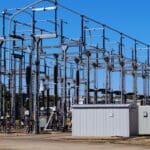
Introducing the Basics of Substation Automation Systems
In today’s world, modernizing the traditional electric grid system is essential. Power utilities are constantly searching for innovative solutions that can streamline their operations and improve the reliability of their services. Substation automation systems (SAS) are such solutions that play an integral role in realizing this goal.
These systems automate the distribution and management of electric power from the substation by digitizing the data collected from various system components such as transformers, breakers, and protective relays. With the implementation of SAS, utilities can monitor the system’s performance in real-time, identify any faults quickly, and rectify them before they become major faults.
Substation automation systems also offer enhanced security features and reduced downtime during maintenance. In short, SAS presents a practical and efficient pathway towards a more resilient and reliable power grid system.
The Components of SAS and Their Functions
Are you familiar with SAS and its various components? SAS may seem daunting at first, but once you get to know its various pieces, it can be a powerful tool. The different components of SAS each serve a unique purpose, from data input to analysis and reporting. The SAS language itself is incredibly robust and adaptable, allowing users to customize their experience to fit their needs. Additionally, SAS offers a variety of add-ons and extensions that can expand its capabilities even further.
With all these pieces working together, SAS can help its users solve complex problems and communicate their findings with clarity and precision. So, if you are looking for a way to take your data analysis to the next level, give SAS a try!
Identifying SCADA Systems and its Benefits
SCADA systems are used in a variety of industries for monitoring and controlling various processes. These systems provide real-time data and analysis that can be used to identify potential issues and optimize performance. One of the major benefits of SCADA systems is their ability to remotely control processes, which can save time and reduce the risk of accidents. In addition, SCADA systems can help identify inefficiencies in systems which may lead to cost savings.
Identifying SCADA systems and understanding their benefits can help organizations improve their operational efficiency and reduce downtime.
Analyzing the Benefits and Risks of Implementing an Automated System
In today’s fast-paced business environment, automation has become increasingly popular to increase efficiency and optimize workflows. While implementing an automated system can offer a variety of benefits, it is important to carefully analyze both the benefits and risks before making any decisions. On the positive side, automation can reduce human error, improve accuracy, and increase productivity. It can also save time and reduce costs. However, depending on the type of system implemented, automation can also present certain risks such as job loss, data breaches, and system failures.
Overall, a thoughtful analysis of the benefits and risks of automation can help organizations make informed decisions about how to implement this technology in a way that best meets their needs.
Understanding Different Types of Substation Automation Systems
Substation automation systems are used to monitor and control the flow of electricity within a power grid. Understanding the different types of substation automation systems is crucial to ensure efficient and effective operation of the power grid.
There are three major types of substation automation systems: local, remote, and centralized.

Local substation automation systems are installed in individual substations to monitor and control local equipment. Remote systems, on the other hand, allow operators to control multiple substations from a centralized location. Finally, centralized systems offer the most comprehensive view of the entire power grid, allowing operators to monitor and control all aspects of the grid from one location.
Each type of system has its unique benefits and drawbacks, so it’s important to choose the right one for your specific needs. By understanding these different types, you can make informed decisions to optimize the performance of your power grid.
Examining the Future of Substation Automation Systems
With the rise of renewable energy sources and the demand for more efficient and reliable power distribution, substation automation systems are becoming increasingly important. These systems automate the control and monitoring of substations, enhancing the overall reliability of the power grid. The future of substation automation systems looks promising, with advancements in technology allowing for more reliable, secure, and cost-effective solutions. With the introduction of new communication protocols and the integration of artificial intelligence, the systems will become more intelligent, self-aware, and adaptable to changing situations.
As we continue to push towards a greener, more connected future, substation automation systems will undoubtedly play a vital role in our efforts to build a sustainable and efficient power grid.
We have explored the world of substation automation and its components, and have identified SCADA systems as an important part of automation. The implementation of an automated system is beneficial for efficiency but can involve some risk. Different types of SASs can be found in the market depending on one’s specific need. To further examine how quickly this field is evolving, it would be essential to explore the latest developments and research being conducted throughout the world regarding substation automation systems. Substation automation systems are advancing daily, as they offer more reliable systems that help businesses reduce costs and maximize energy savings.
Therefore, it is recommended to stay abreast with the latest advancements in this technology so that you can take advantage of all their benefits while avoiding potential risks associated with them. In a growing digital age, we must recognize that embracing new technologies could potentially allow us to revolutionize our industry’s existing infrastructure and processes for greater success.